
Full 25-point door and opener safety check with every visit - springs, cables, rollers, tracks, and your LiftMaster or Chamberlain opener included
You get a price before we start. It does not change when the truck arrives.
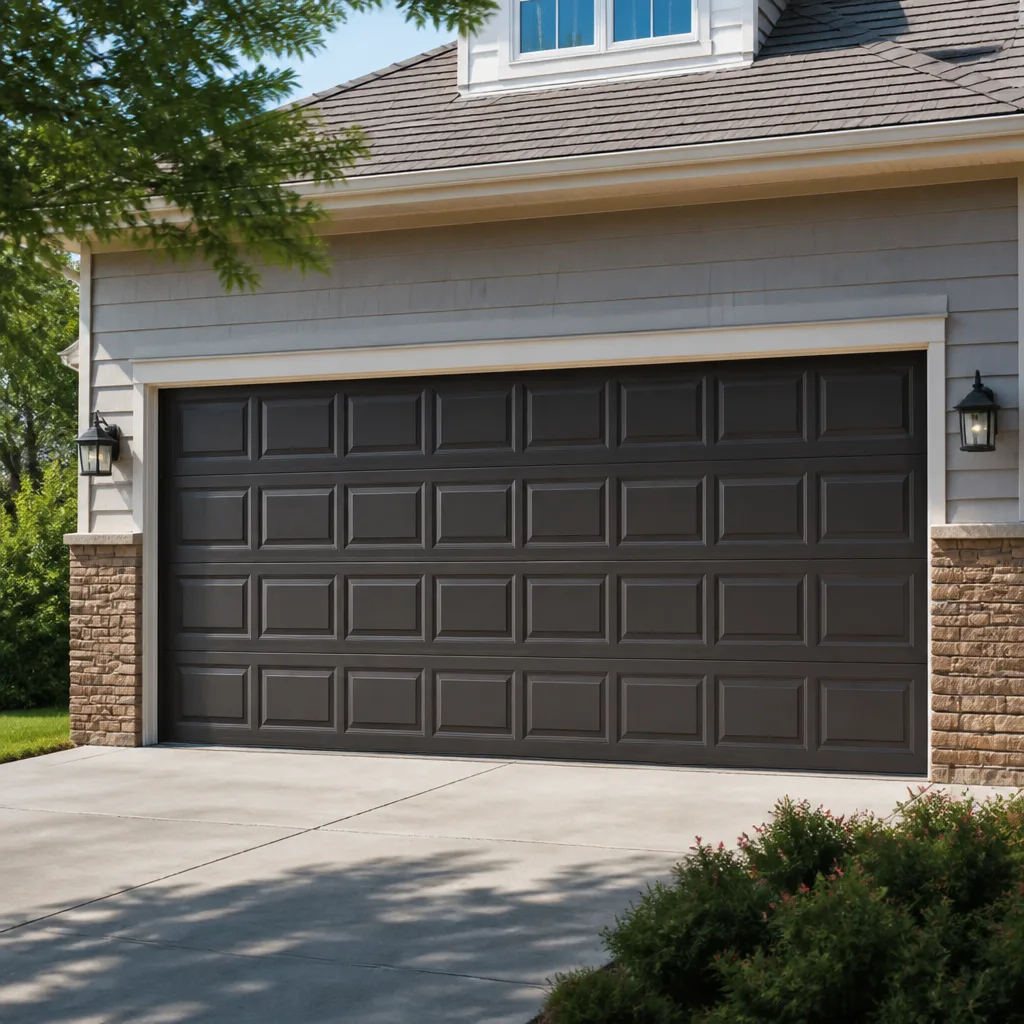
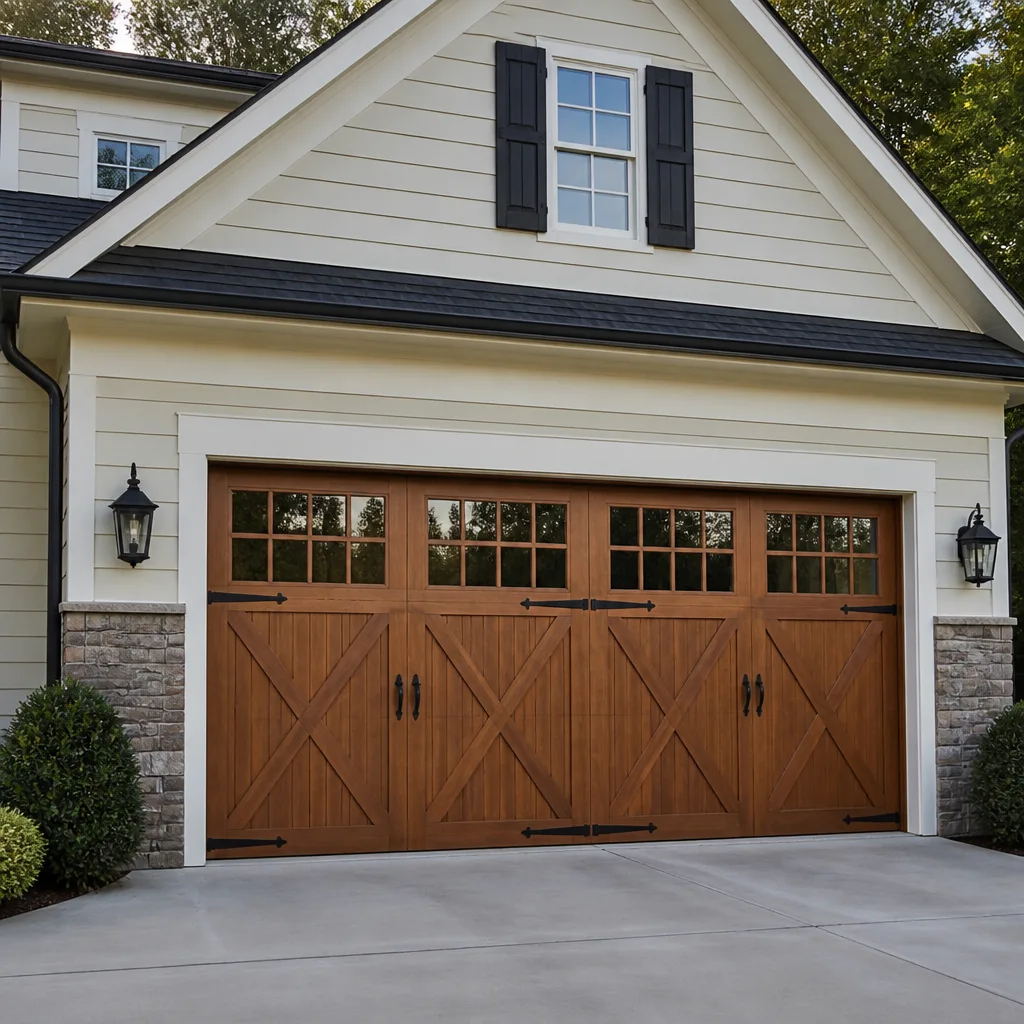
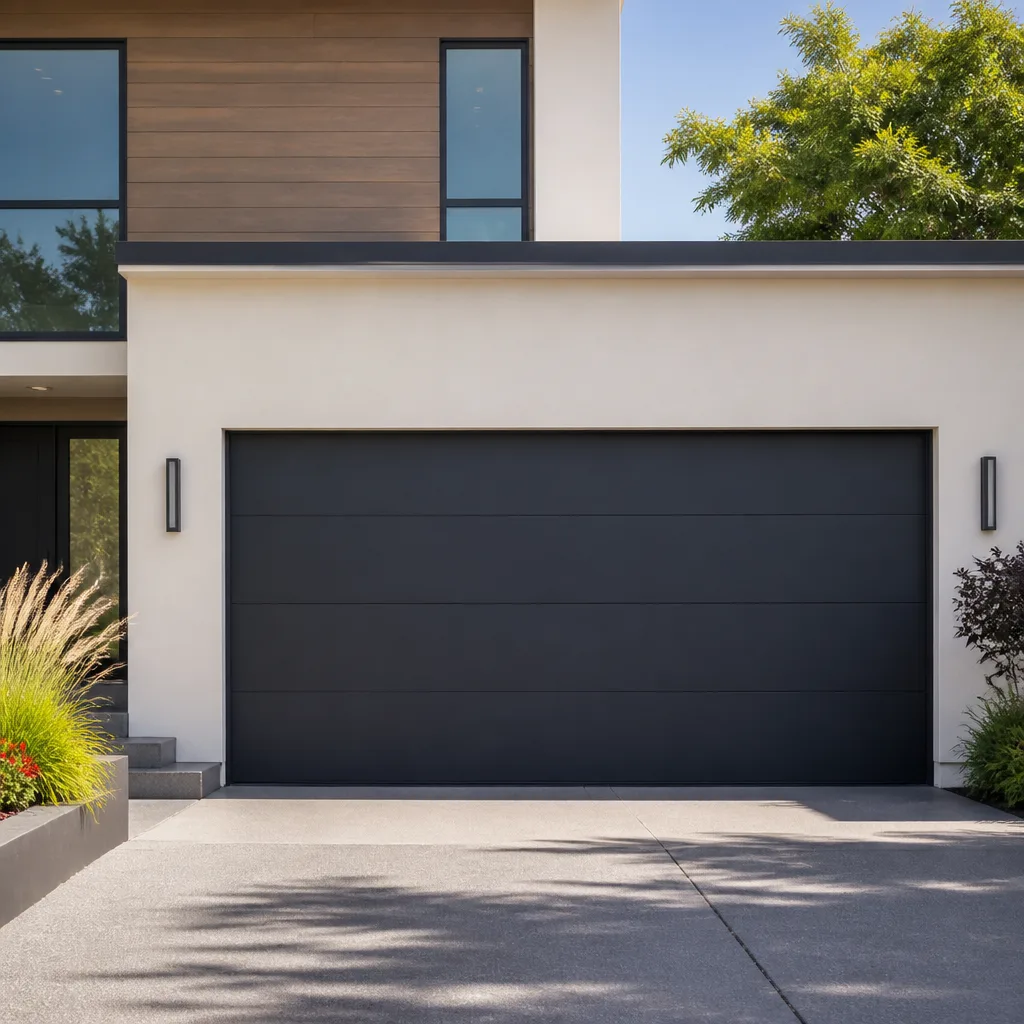
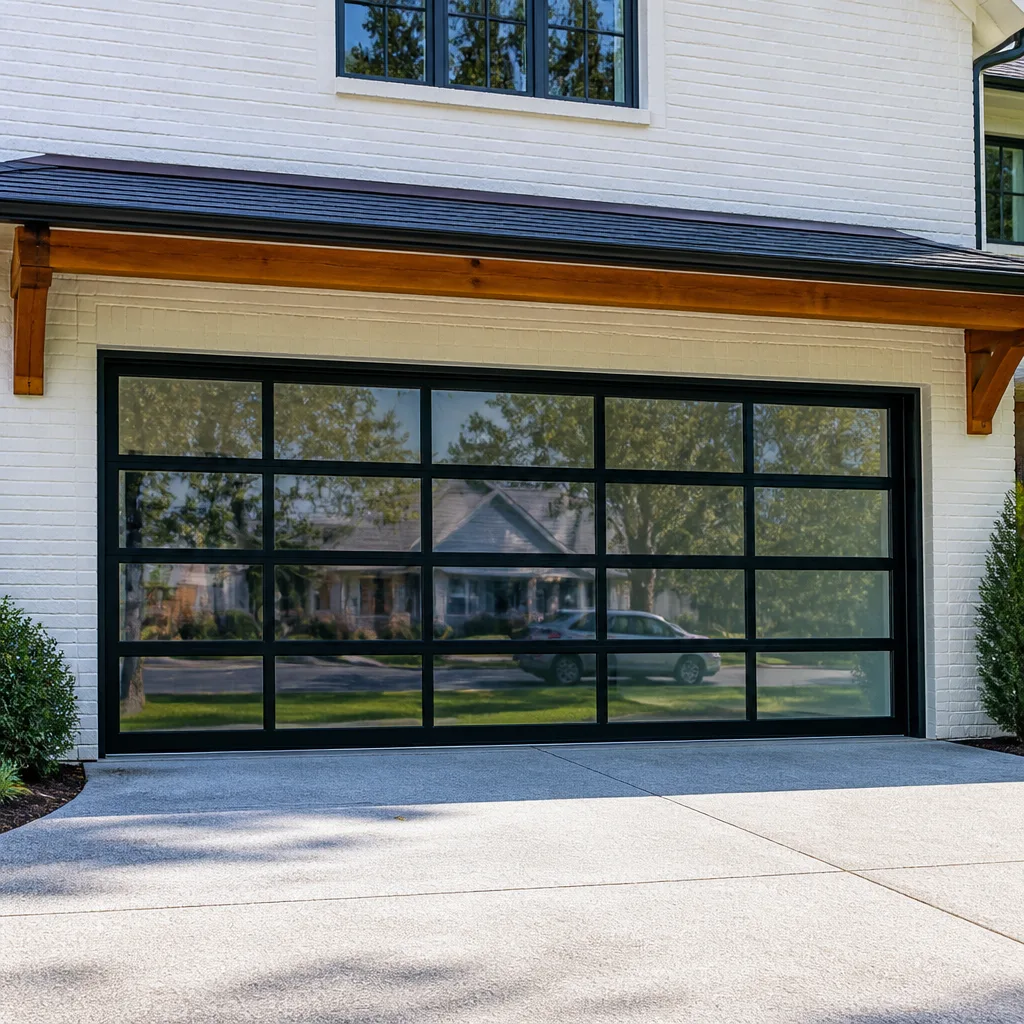
 Before
 After
After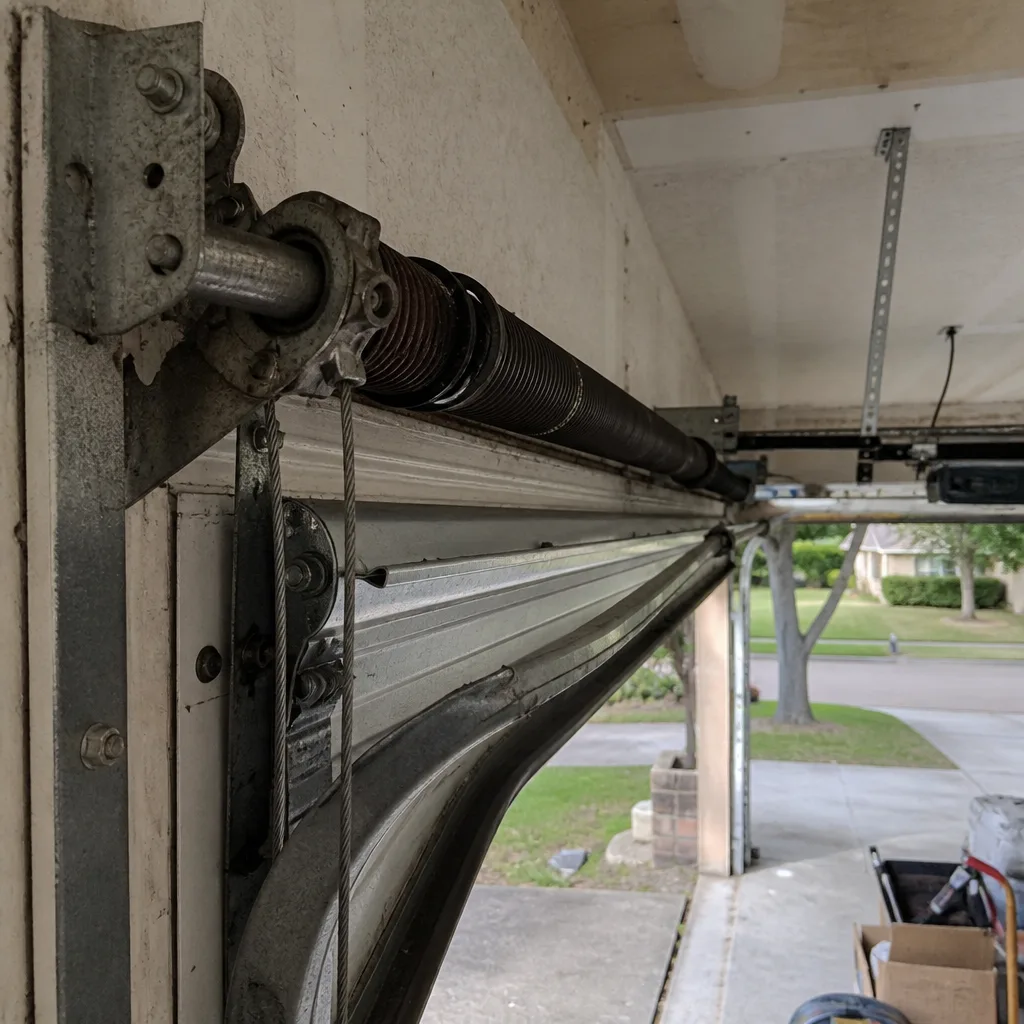 Before
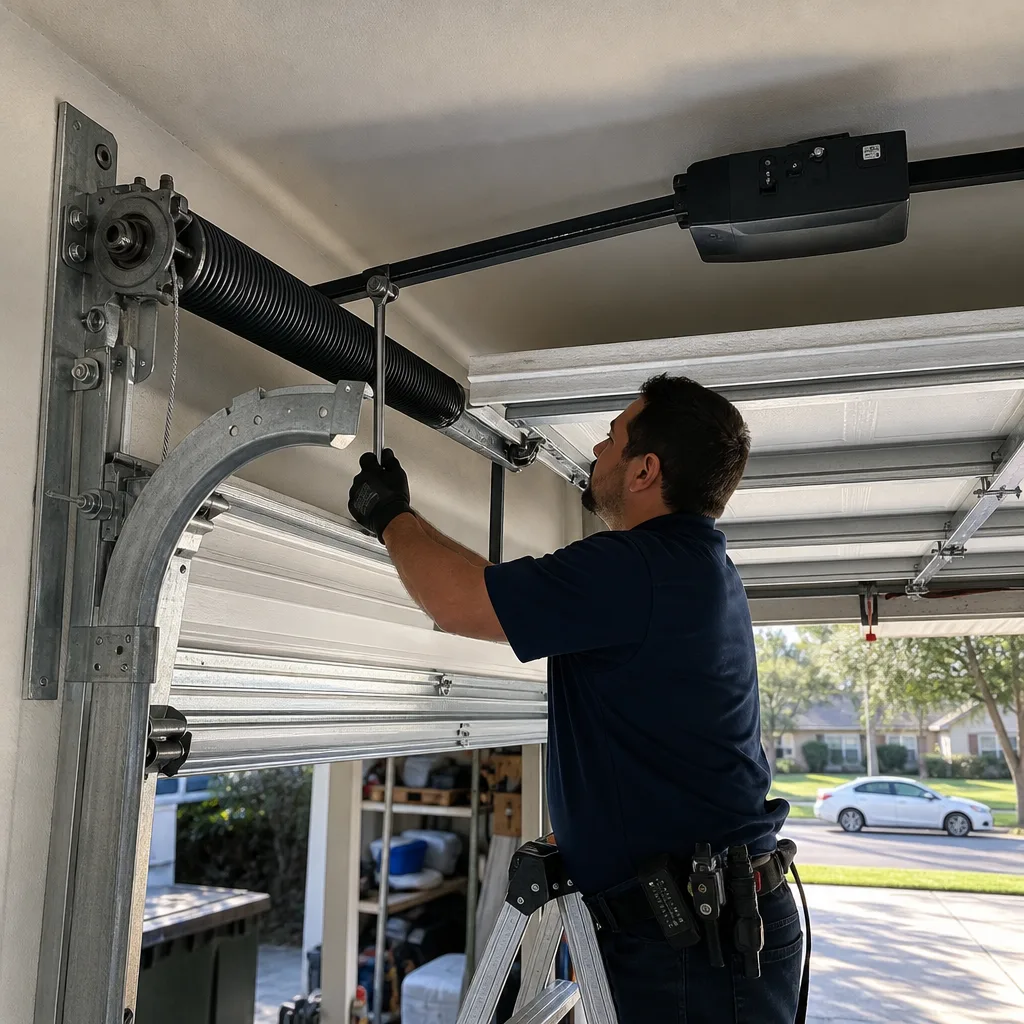 After
After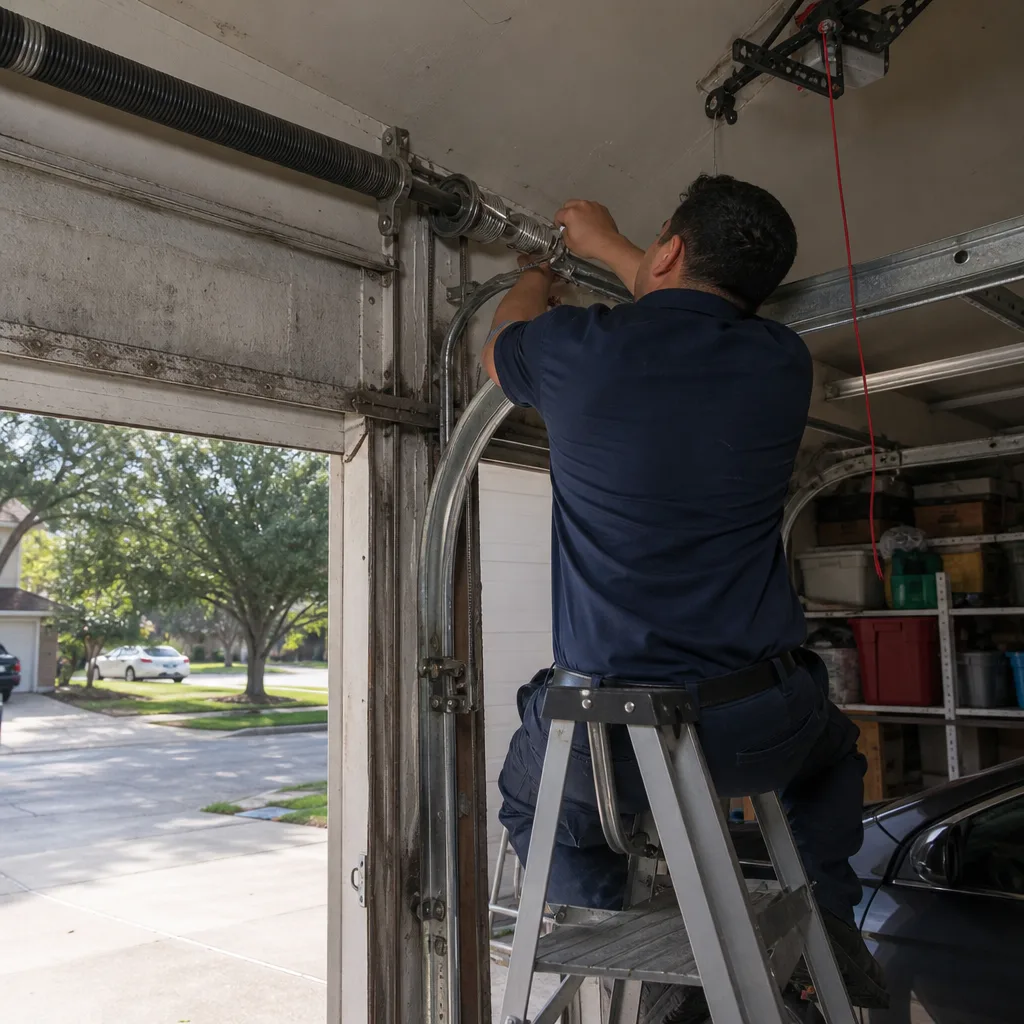 Before
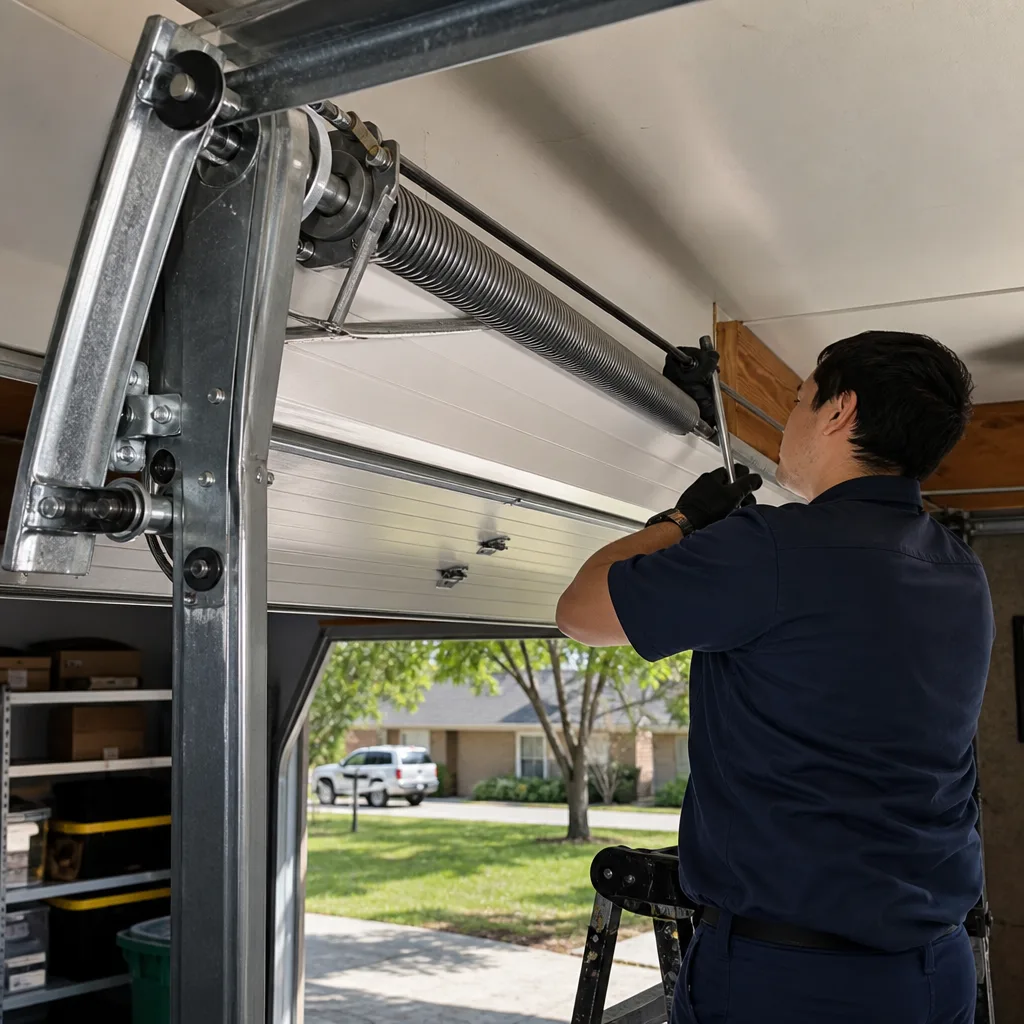 After
AfterClopay Weather Seal Replacement: The Sugar Land Owner’s Guide
We stock and install Clopay-compatible weather seal replacement in Sugar Land, and most jobs run between $90 and $180 installed, depending on door width and whether we’re replacing just the bottom seal or the perimeter weatherstripping too. Call before noon and there’s a good chance we get it done the same day. You’ll usually spot the problem first as daylight peeking under the door, water pooling at the threshold after a hard rain, or a spike in your garage’s humidity that makes the whole space feel like a sponge. We’ve been replacing these on Clopay doors since 2004, and it’s one of the most common parts we swap in Fort Bend County.
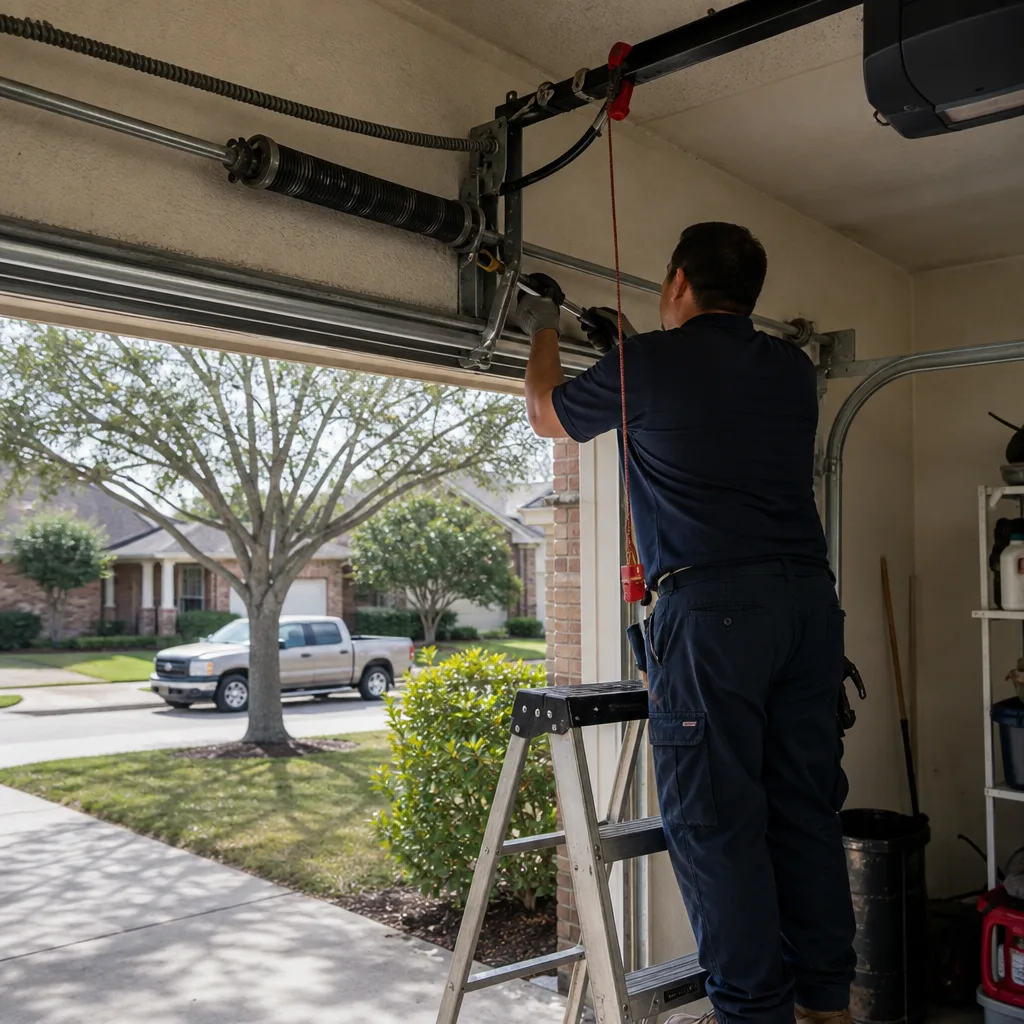
Here’s the short version: your Clopay weather seal is rubber or vinyl, it lives at the bottom edge of the door panel, and Texas sun plus concrete abrasion kills it faster than anything in the owner’s manual. When it goes, you lose the seal that keeps water, bugs, dust, and hot outside air out of your garage. The fix is straightforward for us because we carry multiple Clopay-matched seal profiles on the truck, not just one universal strip that kind-of fits. Otto’s Garage Door is an independent shop, not affiliated with Clopay, but we’ve installed and repaired enough of their doors that we know which seal goes with which panel by looking at it.
Which Clopay Models This Applies To
Clopay’s residential lineup includes the Gallery, Bridgeport, Coachman, and Classic series, plus the more premium Reserve and Canyon Ridge lines. The bottom weather seal isn’t one-size-fits-all across those. The seal ties into a retainer or a T-channel, and the match has to be right or the strip won’t seat properly. The common profiles are a T-style with specific stem width and bulb diameter, and Clopay uses a few different ones depending on door series and panel thickness.
Here’s the compatibility gotcha we see constantly: a homeowner buys a generic T-end seal at the big box, the stem is too narrow, and it wiggles loose inside the channel within a month. Or the bulb is too small, so it never compresses against the floor. We match by measurement, not by print-on-the-package optimism. If your door has the Clopay label still readable inside the panel, that helps; if not, we measure the channel opening and bulb height in the driveway and pull the right one. For Clopay specifically, OEM seals are well made and worth the modest premium if your door is under ten years old. On older doors where the retainer itself is cracked, a quality aftermarket profile at half the cost often makes more sense because the retainer is the part taking the abuse. We’ll tell you which way to go and why, and the price is on the table before we start.
Signs Your Clopay Weather Seal Replacement Is Failing
- Daylight under the door when it’s closed. The seal has compressed, torn, or rolled out of the retainer. You should not see any light line across the threshold on a properly sealed door. Sunlight equals water and insects getting in.
- Water stains or puddling inside the door line after rain. A failed bulb doesn’t channel water away from the slab. Sugar Land’s heavy afternoon storms make this one expensive to ignore because pooled water at the base of the tracks accelerates rust.
- The rubber feels stiff and shows cracks when you flex it by hand. Texas heat cycles bake the material until it loses elasticity. When the bulb won’t compress, the door sits slightly proud and the seal never hugs the concrete. You can check this one yourself with a flashlight and two fingers.
- Pest debris, dust lines, or leaves collecting just inside the door. The seal is a physical barrier. When it fails, the gap invites roaches, silverfish, and every windblown seed in Sugar Land inside.
- Your garage is noticeably hotter than last summer. A degraded seal exchanges air with the outside. If you have a finished or semi-finished garage, your HVAC feels it, and so does your electric bill.
Replacement Cost & What’s Included
For a typical 16-foot Clopay door in Sugar Land, installed weather seal replacement runs $90 to $180. A single-car 8- or 9-foot runs less, and perimeter weatherstripping adds a bit depending on how many sides need new material. Here’s the pricing breakdown:
- Bottom seal only, 8-9 foot door: $90-$120 installed
- Bottom seal only, 15-16 foot door: $110-$160 installed
- Bottom seal plus side/top weatherstripping: $140-$180 installed
That price includes the part matched to your Clopay panel, removal of the old seal, cleaning the retainer channel, installation, and a function check on the door itself. We quote the number before we touch anything, and the price does not change when we get there. You’ll know exactly what you’re paying before you say yes. Our 90-Day Done Right Promise covers the work, which means if the new seal doesn’t sit right or fails within ninety days, one call brings Otto back. No phone tree, no ticket number, no arguing.
DIY or Call Us?
Replacing a bottom weather seal is one of the safer garage door jobs an owner can tackle, and we won’t pretend otherwise. The danger on this part isn’t high-tension springs or cables; it’s mostly the wrong part and wasted money. What we tell neighbors: you can inspect your seal, measure the channel, and even slide a new strip in if you matched it correctly. Where DIY goes sideways is buying a universal seal that doesn’t match the Clopay retainer, wrestling the old one out 80 percent of the way and leaving a hardened chunk in the track, or snapping the plastic retainer clips because the old seal was heat-welded in place.
If the draft is minor and the door seals okay everywhere except one corner, you might have a while. If water’s coming in or you can see daylight, don’t let it ride. Call us at (346) 484-4781. We’ll bring the right seal for your Clopay door on the first trip, quote the number up front, and have it done while you’re making coffee. Tell me what it’s doing wrong. I’ll tell you what it actually needs.
FAQs
We typically see 3 to 6 years out of a Clopay bottom seal in Fort Bend County, with south-facing doors on unshaded lots sometimes failing closer to 3. The combination of direct UV exposure, concrete floor heat, and the mechanical squeeze every time the door closes wears the material faster than Clopay’s average lifespan estimates, which assume a milder climate. If you’re inspecting yours and it feels like a tire on its last 10,000 miles, call (346) 484-4781 and we’ll tell you honestly if it’s time.
Not in any way that lasts. The seal is a continuous molded extrusion that depends on its cross-section shape to compress against the floor. Once the bulb is torn, flattened, or stiff, dabs of adhesive or tape don’t restore it. The good news is replacement is one of the most affordable garage door fixes, and we do it in under an hour on most Clopay doors in Sugar Land.
Most single-door Clopay weather seal replacements take 30 to 45 minutes, including removing the old material, cleaning the retainer, and test-cycling the door. If we’re doing bottom plus side perimeter seals, it’s about an hour to an hour and a half. You’ll know the exact price before we start, and the quote holds.
Yes. We carry multiple Clopay-matched T-end profiles and bulb sizes on the truck, along with quality aftermarket equivalents for older doors. That includes seals sized for both single- and double-wide doors. We also keep parts on hand for LiftMaster, Chamberlain, Genie, Amarr, Wayne Dalton, Craftsman, and Raynor, so if we spot something else that needs attention while we’re there, we can usually handle it the same trip.
Written by Otto Reinhardt, Owner, Otto’s Garage Door - Sugar Land, TX at Otto’s Garage Door, serving Sugar Land and nearby areas.